



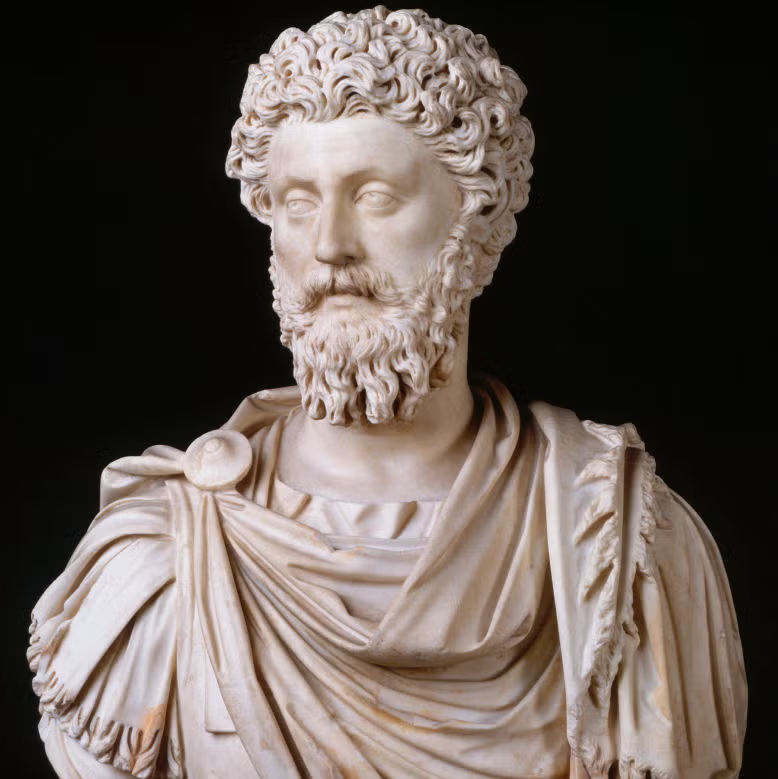


Marcus Aurelius is often quoted but rarely followed. His words are shared across books and social media yet his true lesson is often missed.
Marcus Aurelius did not write to inspire others. He wrote to discipline himself. His reflections were reminders not performances.
Stoicism was never meant to be admired. It was meant to be practiced daily.
Marcus Aurelius lived under immense pressure. Leadership war responsibility and loss shaped his life. Stoicism was his anchor.
His writings reveal a man correcting himself repeatedly. He returned to discipline through repetition not motivation.
This is a critical distinction. Stoicism is not emotional inspiration. It is behavioral alignment.
Without repetition discipline fades. Insight without execution creates false confidence.
Stoicism demands consistency because the mind defaults toward comfort and reaction.
Daily practice reinforces values when motivation is absent.
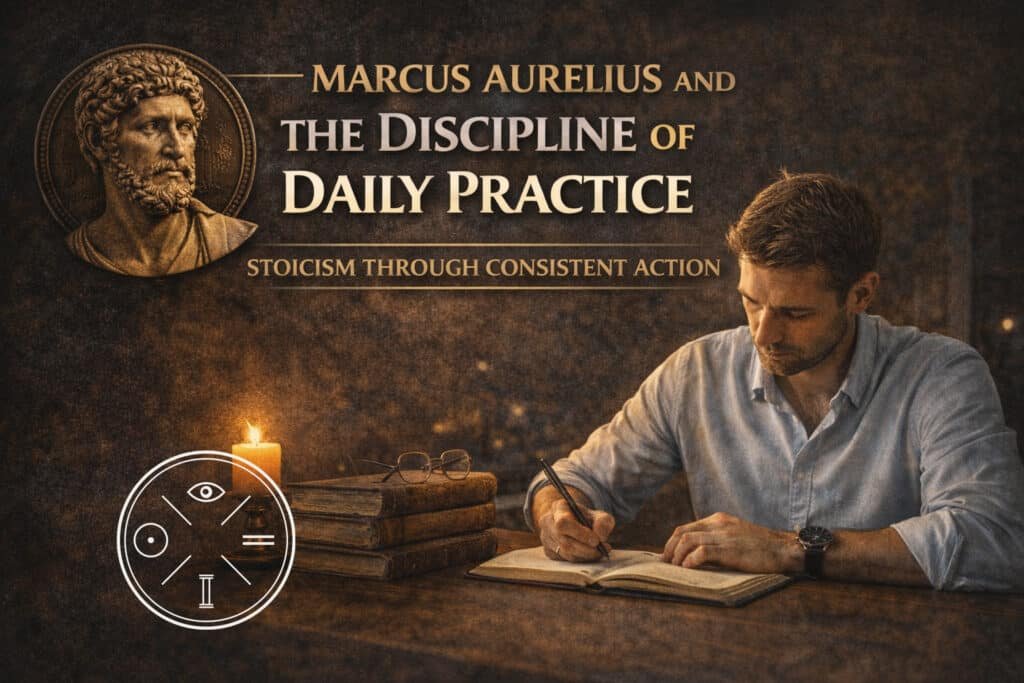
Reflection was Marcus Aurelius’s primary method.
Writing reveals inconsistency. Awareness enables adjustment.
Stoic discipline begins internally before it becomes visible externally.
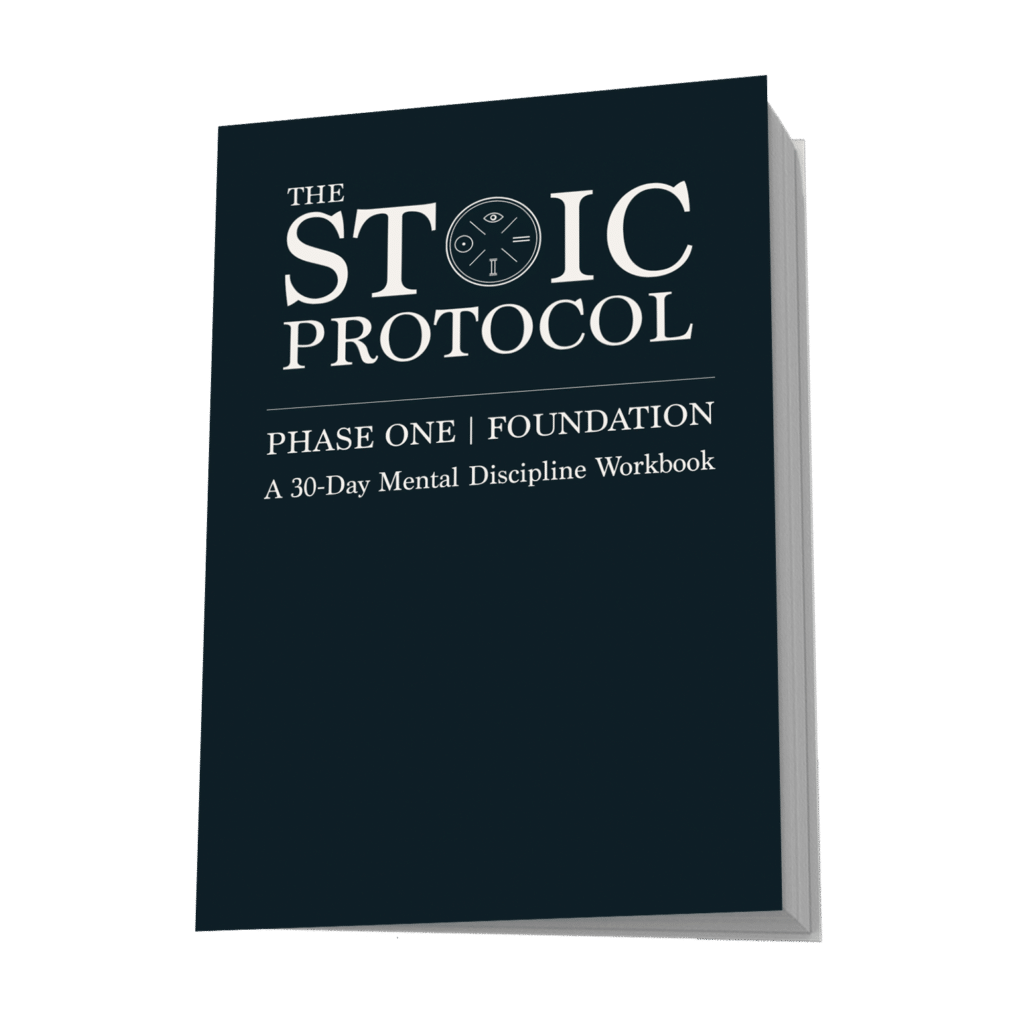
The Stoic Protocol gives entrepreneurs a repeatable system for daily discipline and mental control. Instead of reacting to the business every day you operate from principles.
Stoicism becomes a habit rather than an idea.
Marcus Aurelius never sought recognition for his discipline. Stoicism operates best without performance.
Daily practice builds strength silently.
Stoicism only works when applied. Discipline is built through repetition not intention.

FREE SHIPPING is now available.
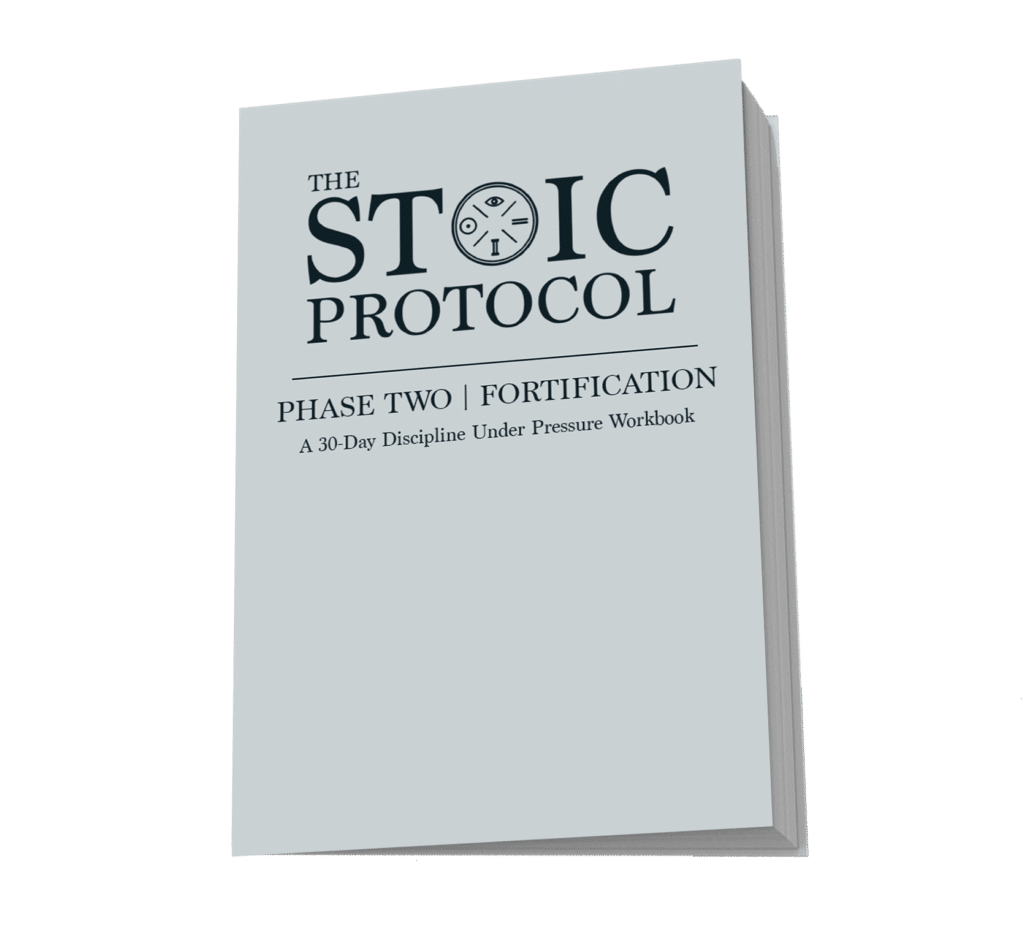
Start with Phase One or order all three for the complete Stoic Protocol.